
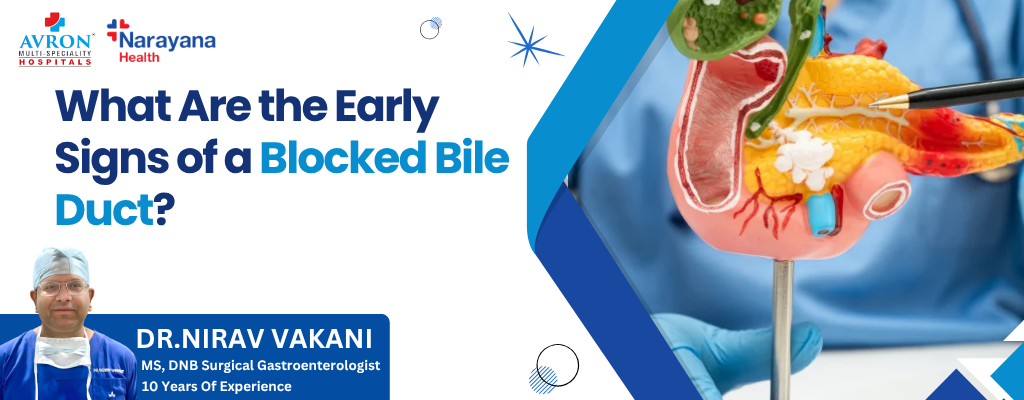
The bile ducts are small but essential channels that carry bile from the liver and gallbladder to the small intestine. Bile plays a crucial role in digesting fats and removing waste products from the body. When a bile duct becomes blocked, the normal flow of bile is disrupted, leading to various digestive and health problems.
Recognizing what are the early signs of a blocked bile duct is important because timely treatment can prevent serious complications involving the liver, gallbladder, and pancreas. Many people overlook the initial symptoms, assuming they are related to minor digestive issues. However, early diagnosis can make treatment simpler and more effective.
If you experience persistent symptoms, consulting a specialist for Bile Duct Surgery In Ahmedabad can help identify the cause and determine the most appropriate treatment plan.
What Is a Blocked Bile Duct?
A blocked bile duct occurs when something prevents bile from flowing normally through the biliary system. This blockage can be partial or complete and may affect one or multiple bile ducts.
When bile cannot reach the intestine properly, it begins to accumulate in the liver, leading to symptoms that can gradually worsen if left untreated.
Why Does a Bile Duct Become Blocked?
Several conditions can interfere with bile flow.
Common Causes Include:
- Gallstones entering the bile duct
- Inflammation of the bile ducts
- Scar tissue formation
- Bile duct strictures (narrowing)
- Pancreatic disorders
- Liver diseases
- Tumors affecting the bile ducts
- Previous abdominal surgery complications
Understanding the cause is important because the recommended treatment for blocked bile duct depends on the underlying problem.
What Are the Early Signs of a Blocked Bile Duct?
Many patients ask, what are the early signs of a blocked bile duct, especially when they experience unexplained digestive symptoms. The warning signs may develop gradually and can vary from person to person.
- Yellowing of the Skin and Eyes (Jaundice)
One of the most recognizable symptoms is jaundice.
When bile cannot drain properly, bilirubin builds up in the bloodstream, causing:
- Yellow eyes
- Yellow skin
- Darkening of skin tone in severe cases
Jaundice is often one of the first noticeable blocked bile duct symptoms.
- Dark-Colored Urine
Excess bilirubin in the blood can be filtered through the kidneys, making urine appear:
- Dark yellow
- Brownish
- Tea-colored
Persistent dark urine without dehydration should not be ignored.
- Pale or Clay-Colored Stool
Normally, bile gives stool its brown color.
When bile flow is blocked, stool may become:
- Pale
- Gray
- Clay-colored
This symptom often appears alongside jaundice and digestive discomfort.
- Persistent Itching
Many patients are surprised to learn that itching can be associated with bile duct problems.
When bile salts accumulate under the skin, they may cause:
- Generalized itching
- Night-time discomfort
- Skin irritation without visible rash
This can be one of the earliest but most overlooked blocked bile duct symptoms.
- Abdominal Pain
Pain is another common sign of bile duct obstruction.
Patients may experience:
- Pain in the upper right abdomen
- Discomfort after eating fatty foods
- Intermittent cramping episodes
Pain may start mildly and gradually worsen if the blockage remains untreated.
- Nausea and Digestive Discomfort
Because bile is essential for fat digestion, reduced bile flow can affect digestion.
Symptoms may include:
- Nausea
- Bloating
- Indigestion
- Feeling full quickly
- Poor appetite
Many people mistakenly attribute these symptoms to routine digestive issues.
Additional Symptoms That May Develop Later
If treatment is delayed, symptoms can become more severe.
Advanced Symptoms Include:
- Fever
- Chills
- Severe abdominal pain
- Weight loss
- Fatigue
- Recurrent infections
- Liver dysfunction
These symptoms often indicate that medical attention is urgently needed.
When Should You See a Doctor?
Many patients delay treatment because symptoms appear mild initially. However, seeking medical advice early can prevent complications.
Consult a Specialist If You Experience:
- Persistent jaundice
- Unexplained itching
- Dark urine
- Pale stool
- Recurrent abdominal pain
- Digestive symptoms that continue for several weeks
Understanding what are the early signs of a blocked bile duct can help patients seek timely medical care before serious problems develop.
Patients experiencing these symptoms should consider consulting a specialist for Bile Duct Surgery In Ahmedabad to receive an accurate diagnosis and treatment plan.
How Is a Blocked Bile Duct Diagnosed?
Early diagnosis helps doctors determine both the location and cause of the blockage.
Common Diagnostic Tests
(1) Blood Tests
Doctors may evaluate:
- Liver function
- Bilirubin levels
- Infection markers
(2) Ultrasound
An ultrasound can identify:
- Gallstones
- Dilated bile ducts
- Liver abnormalities
(3) CT Scan or MRI
Advanced imaging provides detailed information about the biliary system.
(4) ERCP
ERCP is a specialized procedure used to diagnose and sometimes treat bile duct blockages.
Treatment for Blocked Bile Duct
The appropriate treatment for blocked bile duct depends on the severity and cause of the obstruction.
(1) Non-Surgical Treatment
In selected cases, treatment may include:
- Medications
- Endoscopic procedures
- Stone removal through ERCP
- Management of infections
(2) Surgical Treatment
Surgery may be necessary when:
- The blockage cannot be removed endoscopically
- Scar tissue narrows the bile duct
- Tumors are present
- Recurrent obstruction occurs
Modern surgical techniques often allow minimally invasive treatment with faster recovery and reduced discomfort.
Can a Blocked Bile Duct Lead to Complications?
Yes. Ignoring symptoms can increase the risk of serious health problems.
Potential Complications Include:
- Liver damage
- Bile duct infection
- Pancreatitis
- Nutritional deficiencies
- Chronic digestive issues
Early diagnosis and appropriate treatment for blocked bile duct significantly reduce these risks.
How to Support Bile Duct Health
Although not every blockage can be prevented, certain lifestyle habits may help support digestive and liver health.
Healthy Habits Include:
- Maintaining a healthy weight
- Eating a balanced diet
- Staying hydrated
- Managing cholesterol levels
- Seeking prompt treatment for gallstones
- Attending regular medical check-ups
These measures can help reduce the risk of biliary system disorders.
Conclusion
Knowing what are the early signs of a blocked bile duct can help patients recognize symptoms before complications develop. Common blocked bile duct symptoms include jaundice, dark urine, pale stools, itching, abdominal pain, and digestive discomfort.
Because bile duct obstruction can affect liver function and overall health, early medical evaluation is essential. The right treatment for blocked bile duct depends on the cause and severity of the blockage, ranging from minimally invasive procedures to surgical intervention.